
STUDY ABROAD
Study in United Kingdom
Historic universities. A world of possibilities.
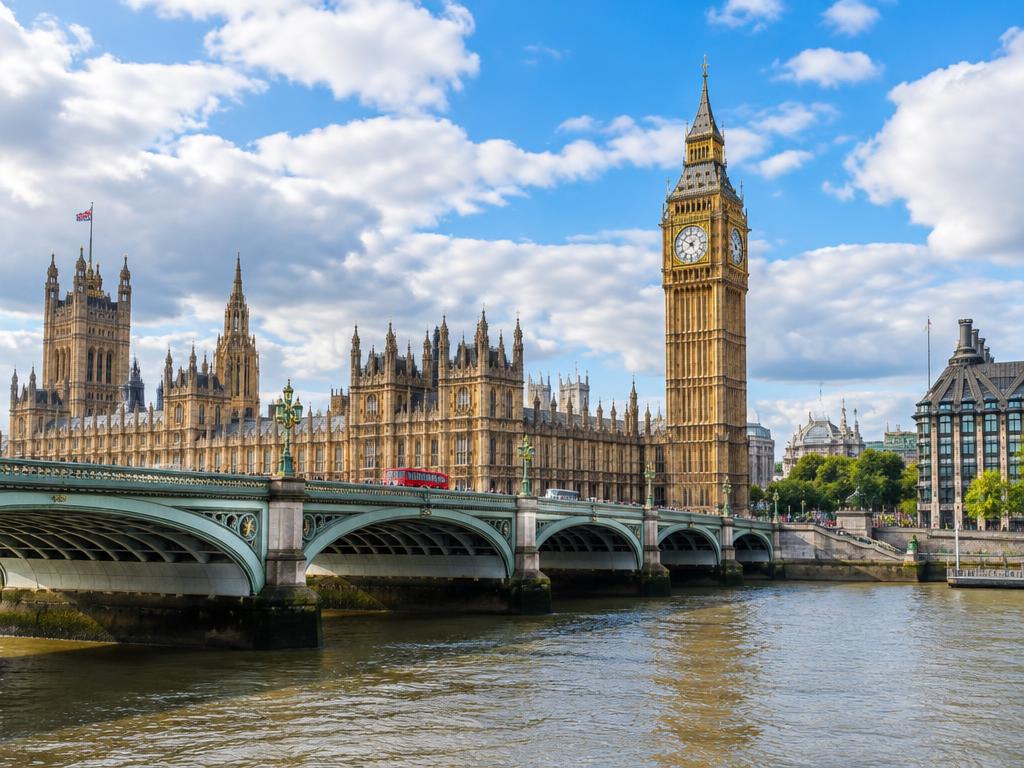
The UK offers shorter degrees than many countries — usually three years for a bachelor’s in England, Wales and Northern Ireland (four in Scotland) and one year for most taught master’s programmes.
Universities and applications
- Undergraduate applications are made through UCAS; most postgraduate applications go directly to each university.
- Check that your institution is a licensed student sponsor on the official register before applying.
Entry and English language
- Entry requirements are set by each university and programme.
- For the visa, your university assesses English ability or you may need a Secure English Language Test (SELT) from an approved provider, depending on your course level.
Student visa
- You need an unconditional offer and a Confirmation of Acceptance for Studies (CAS) from a licensed sponsor.
- You can usually apply up to 6 months before your course starts when applying from outside the UK.
- Most applicants pay the visa fee and the Immigration Health Surcharge, and give biometrics or use the identity app.
Financial evidence
- UK Visas and Immigration publishes the required maintenance funds per month (for up to 9 months), with a higher amount for courses in London. Check the current figures on GOV.UK.
- Funds must normally be held for 28 consecutive days, unless an exemption applies.
Work and after study
- Degree-level students can usually work up to 20 hours a week during term time; conditions appear on your visa.
- The Graduate route allows eligible graduates to stay and work after completing their degree. Its length has been under review, so confirm current rules before planning.
Official sources
Last reviewed November 2026. Rules, fees and figures change — always confirm on the official sites above.